How AI Is Changing the Job Search in 2026

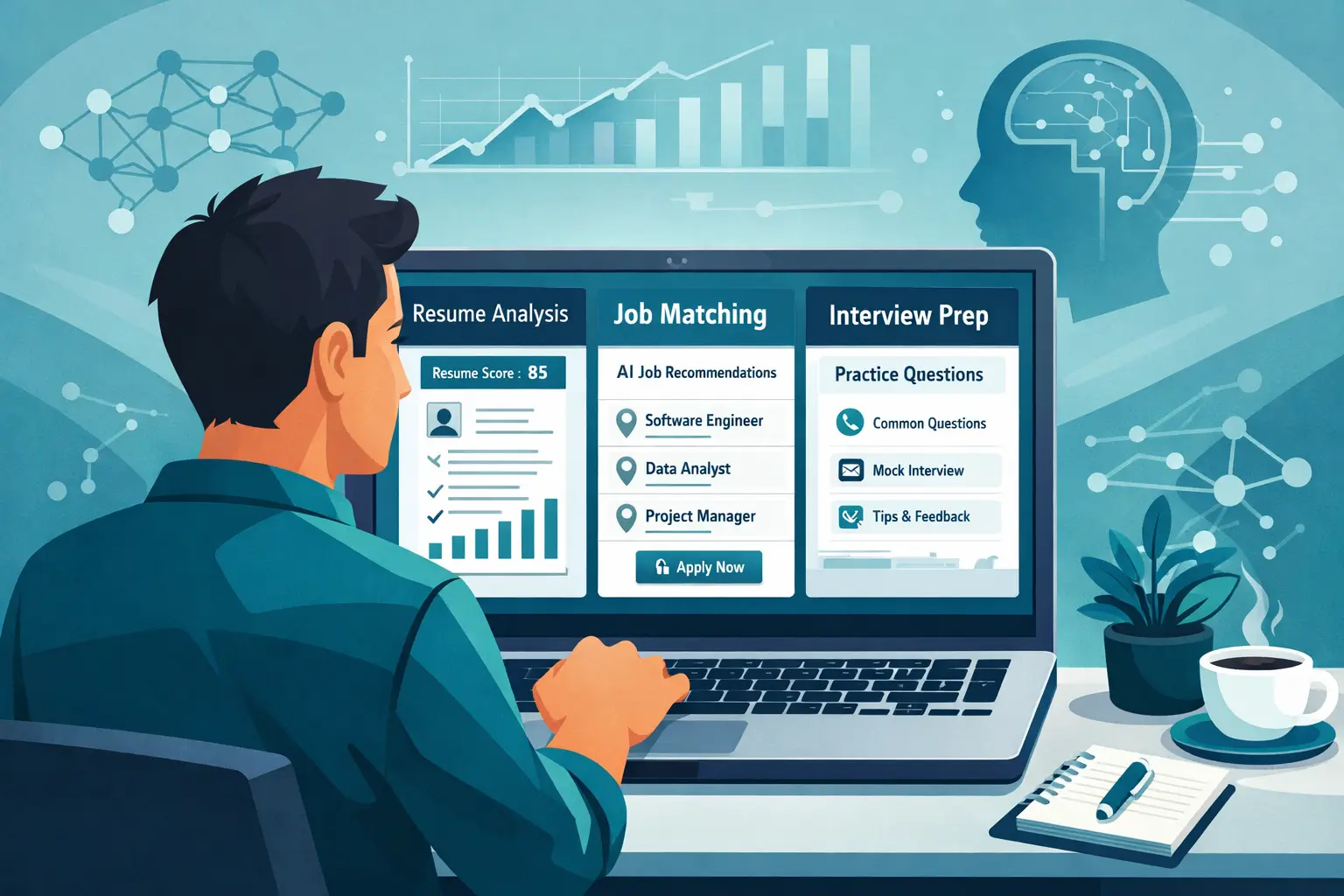
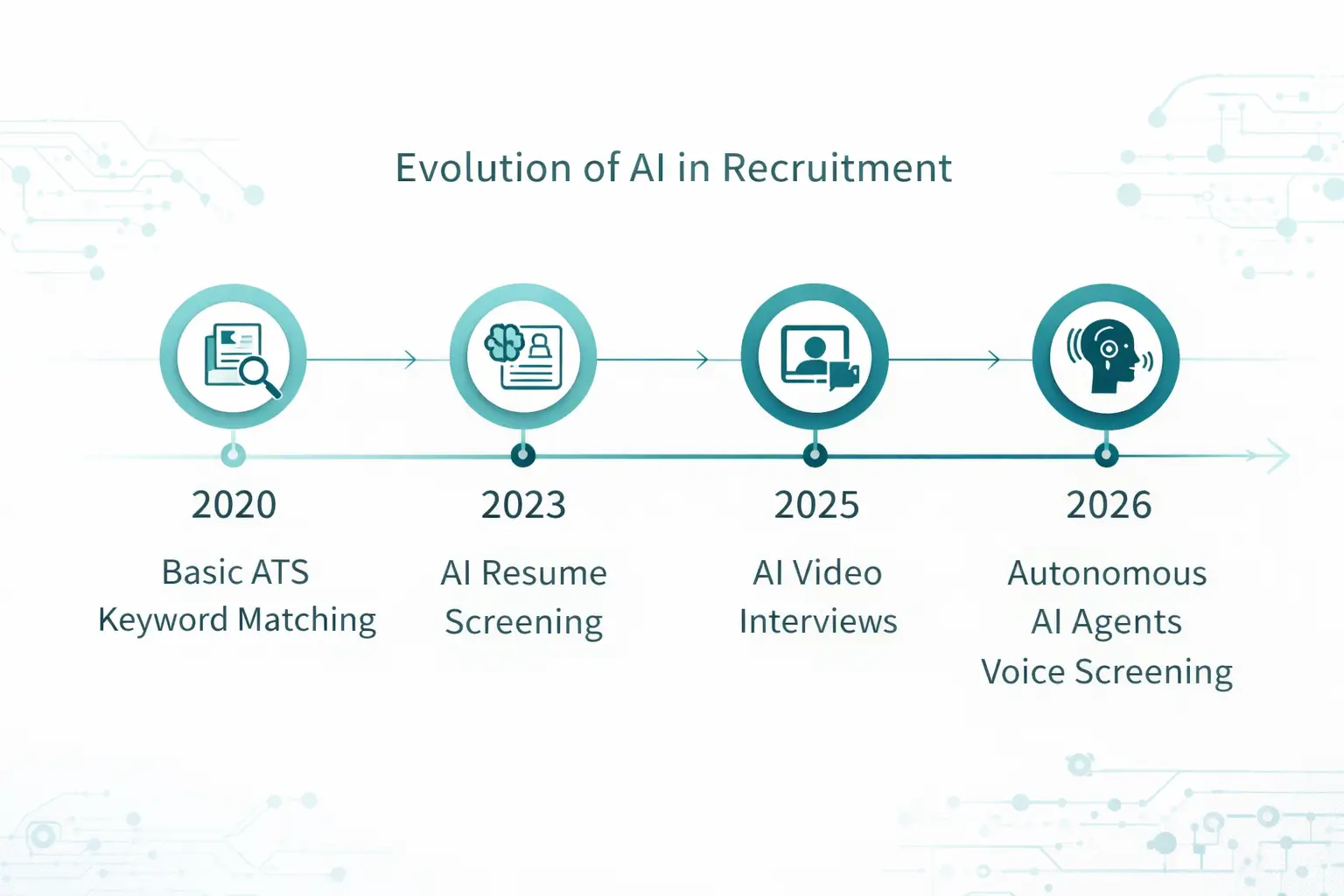
Five years ago, AI in hiring meant basic keyword filters scanning your resume. Now, 87% of companies use AI somewhere in their hiring process, and 99% of Fortune 500 firms have it embedded in their recruitment tech stack. On the other side of the equation, 70% of job seekers use generative AI to research companies, draft cover letters, and prepare for interviews.
AI hasn't just tweaked the job search — it has rewritten the rules. Both employers and candidates are using it, and the gap between those who understand this shift and those who don't is widening fast. Here's what's actually changed, what's coming next, and how to use AI to your advantage without losing what makes you human.
AI on the Employer Side: How Companies Use AI to Hire
Understanding how employers use AI gives you a massive strategic advantage. When you know what the machine is looking for, you can present yourself accordingly — without gaming the system.
AI-Powered Resume Screening
Applicant Tracking Systems have used keyword matching for years, but modern AI screening goes far beyond simple word matching. These systems now analyze context, evaluate the relevance of your experience to the specific role, and score your application against hundreds of data points. AI-powered resume screening reduces initial review time by up to 71%, which means your resume gets a decision in seconds, not days.
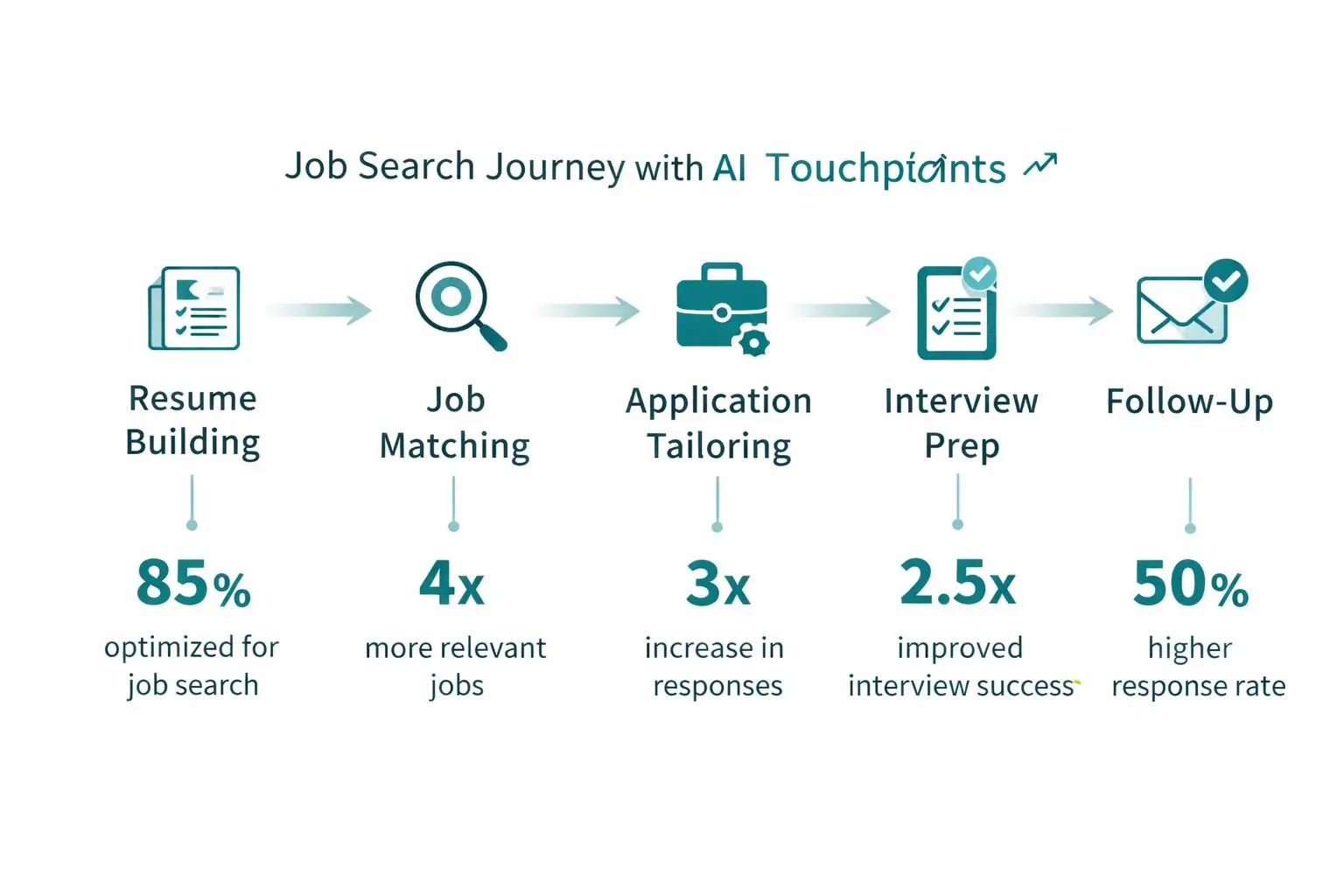
The practical impact for job seekers? A human may never see your application if the AI doesn't flag it as a match. That's why tailoring your resume to each job description matters more than ever. Tools like Seekario's AI Resume Tailor can analyze a job posting and help you align your resume with the specific skills and language the role requires — the same language the ATS is scanning for.
AI Video Interviews and Assessments
AI-conducted interviews have more than tripled in two years, jumping from 10% to 34% of all interviews. These aren't just recorded video calls — AI systems actively analyze your word choice, tone, facial expressions, and speaking pace to evaluate confidence, communication skills, and cultural fit.
By mid-2026, experts project that around 80% of high-volume recruiting will start with an AI-powered voice screen, especially for early-career and frontline positions. If you're applying for entry-level roles, there's a good chance your first "interviewer" will be an algorithm.
AI-Driven Candidate Sourcing
Recruiters aren't just waiting for applications anymore. AI sourcing tools crawl LinkedIn profiles, GitHub repositories, personal websites, and professional databases to identify passive candidates who match open roles. This means your online presence — particularly your LinkedIn profile — is being evaluated even when you're not actively job hunting.
Keeping your LinkedIn profile optimized with current skills, quantified achievements, and relevant keywords increases your chances of being found by these sourcing algorithms.
AI on the Job Seeker Side: How Candidates Are Fighting Back
Employers aren't the only ones with AI in their toolkit. Job seekers have rapidly adopted AI tools, and the data shows it's making a measurable difference.
AI Resume Writing and Optimization
Estimates suggest that 40–80% of applicants now use AI to draft resumes, cover letters, or interview responses. This range is wide because many candidates don't openly admit to using AI tools — but recruiters see the patterns. The quality gap between AI-assisted and manually written applications has widened, making it harder for candidates who aren't using these tools to compete.
The key is using AI as a starting point, not a final product. AI can help you structure your resume, identify missing keywords, and suggest stronger phrasing for your accomplishments. But you still need to inject your specific experiences, numbers, and personality. A resume that reads like it was written entirely by ChatGPT — generic, vague, full of buzzwords — actually hurts your chances.
Seekario's AI Resume Builder strikes this balance by generating tailored content based on your actual experience and the job you're targeting, so the output sounds like you, not a template.
AI-Powered Job Matching
Traditional job boards force you to search by title, location, and keyword. AI-powered job matching takes a different approach — it analyzes your full profile (skills, experience, preferences, career trajectory) and matches you with roles you might not have found on your own. This is especially valuable for career changers who don't always know the right job titles to search for.
AI Interview Preparation
Practicing with AI mock interview tools has become mainstream. These tools generate role-specific questions, evaluate your answers in real time, and give feedback on content, delivery, and structure. It's like having an interview coach available 24/7.
Seekario's AI Interview Prep generates practice questions based on the specific job description, helping you prepare for the exact types of questions you'll face — not just generic behavioral prompts.
The Skills-Based Hiring Shift
One of the most significant AI-driven changes in 2026 is the move toward skills-based hiring. About 10% of employers have already largely replaced traditional CV screening with skills-based assessments, and that number is growing fast.
What does this mean for you? Degrees and job titles matter less than demonstrable skills. Employers are using AI to test whether you can actually do the work — through coding challenges, writing samples, case studies, and simulated tasks — rather than relying on what your resume claims.
This shift benefits candidates who may lack traditional credentials but have real, practical skills. It also means that listing skills on your resume isn't enough. You need to back them up with specific examples of how you've applied those skills to produce results.
The World Economic Forum projects that by 2030, 170 million new roles will be created and 92 million will be displaced. The fastest-growing roles are concentrated in technology, data, and AI — but healthcare, education, and green economy jobs are also surging. Regardless of your field, demonstrating AI literacy on your resume is becoming a differentiator. Workers with AI skills command wage premiums up to 56% higher than their peers.
The Trust Gap: What Job Seekers Think About AI Hiring
Despite widespread adoption, trust in AI hiring remains low among candidates. According to recent surveys, 66% of job seekers say they wouldn't apply at companies that use AI to make hiring decisions. Only 26% of applicants trust AI to evaluate them fairly, and 32% worry that AI might falsely reject them during screening.
This skepticism isn't unfounded. AI hiring tools have faced scrutiny for potential bias — systems trained on historical hiring data can perpetuate the same biases present in that data. Several high-profile cases have led to regulatory action, and the EU's AI Act now classifies AI hiring tools as "high-risk," requiring transparency and regular audits.
As a job seeker, here's what this means practically: you have a right to know if AI is being used to evaluate your application in many jurisdictions. Some companies now disclose this in job postings. If you're uncomfortable with AI evaluation, you can ask the recruiter about their process — it's a reasonable question, not a red flag.
How to Adapt Your Job Search Strategy for AI
Knowing that AI is everywhere in hiring isn't useful unless you change your approach. Here's what to do differently.
Tailor Every Application
Generic resumes get filtered out faster than ever. AI screening tools compare your resume against the specific job description, so a one-size-fits-all approach is a losing strategy. For every application, adjust your skills section, summary, and experience bullets to reflect the language and requirements in the job posting.
You don't need to start from scratch each time. Seekario's AI Resume Tailor can analyze a job description and suggest targeted adjustments to your existing resume in minutes.
Build a Strong Online Presence
AI sourcing tools scan LinkedIn, GitHub, personal websites, and professional networks. Make sure your LinkedIn headline includes your target role and key skills. Update your profile summary to reflect what you're looking for. Post or share content related to your field to signal active engagement.
Understand ATS Formatting Rules
AI resume screeners still struggle with certain formatting choices. Avoid tables, columns, headers/footers, images, and unusual fonts. Stick to standard section headings (Experience, Education, Skills) and use a clean, single-column layout. Save as PDF unless the application specifically requests .docx.
Use Seekario's AI Resume Scanner to check whether your resume is optimized for ATS parsing before you submit it.
Develop AI-Adjacent Skills
You don't need to become a machine learning engineer. But demonstrating familiarity with AI tools relevant to your field — whether that's prompt engineering, data analysis tools, AI-assisted design, or automated workflows — signals adaptability. Mention specific tools you've used and the results you achieved with them.
Prepare for AI Interviews Differently
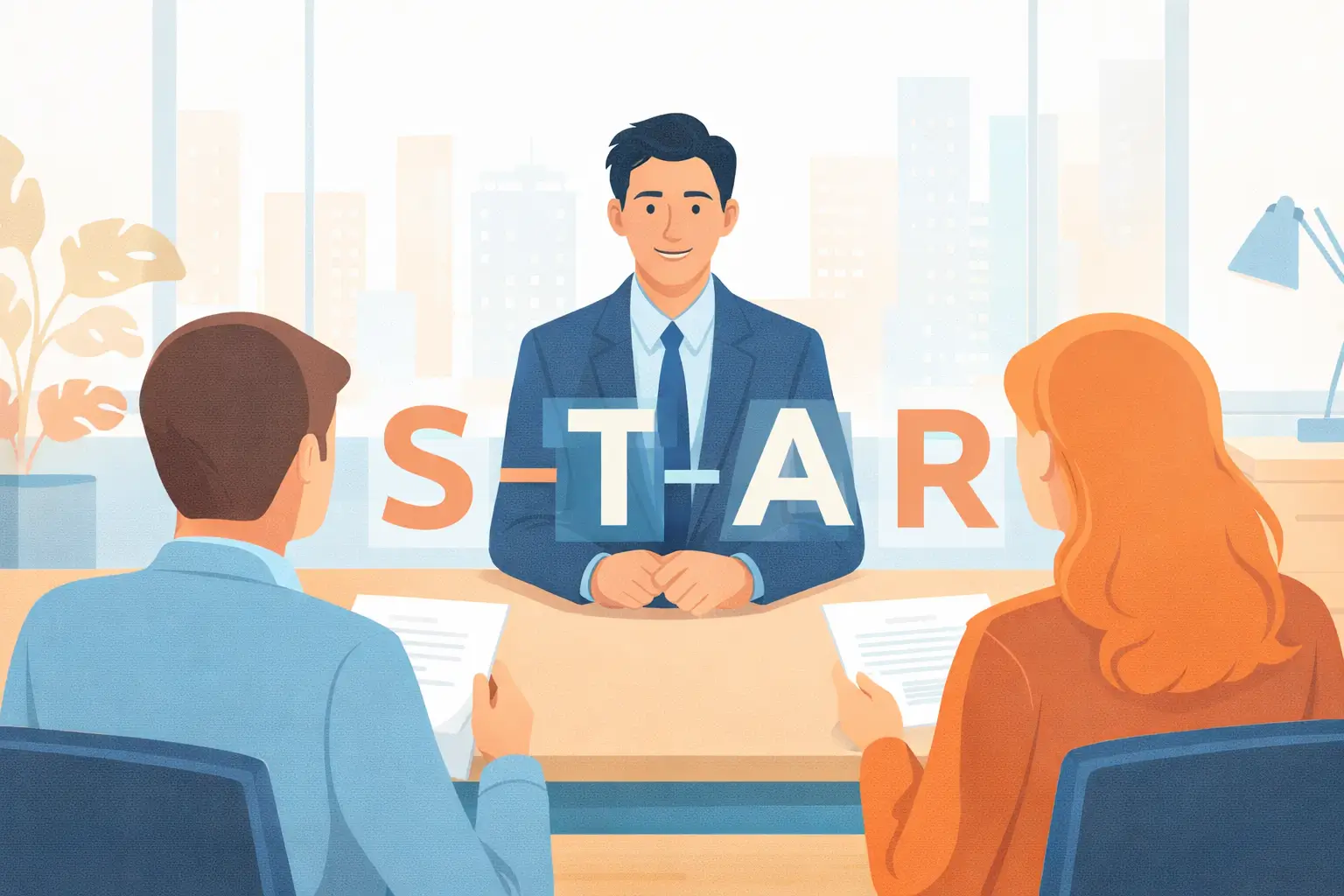
AI interview systems evaluate different signals than human interviewers. They pay closer attention to word choice consistency, speech pace, and facial expressions. Practice speaking at a moderate, steady pace. Maintain eye contact with the camera. Structure your answers clearly — the STAR method works well because it creates a logical, easy-to-analyze narrative.
What's Coming Next: AI Hiring Trends to Watch
The pace of change isn't slowing down. Here's what's on the horizon for the rest of 2026 and beyond.
Autonomous AI recruiting agents are the biggest emerging trend. About 52% of talent leaders plan to integrate autonomous AI agents into their recruiting teams this year. These agents can independently source candidates, conduct initial screenings, schedule interviews, and even negotiate salary ranges — all without human intervention in the early stages.
Voice-first screening is replacing phone screens. AI voice agents can conduct natural-sounding phone conversations, ask follow-up questions, and evaluate responses in real time. Expect to encounter these more frequently, especially for high-volume roles.
Predictive analytics are helping employers identify which candidates are most likely to succeed and stay long-term. These models analyze patterns from successful employees and match incoming candidates against those profiles. This means that cultural fit and long-term potential are being weighted alongside technical qualifications.
Regulation is catching up. The EU's AI Act, New York City's Local Law 144, and similar legislation in Illinois and Maryland are forcing transparency in AI hiring. Expect more companies to disclose their use of AI and provide candidates with explanations of automated decisions.
FAQ
Is AI replacing human recruiters?
No — but it's changing what recruiters do. AI handles repetitive tasks like resume screening, initial outreach, and interview scheduling. Human recruiters are focusing more on relationship building, complex candidate assessment, and strategic decision-making. The companies getting the best results are using AI and humans together, not choosing one over the other.
Should I use AI tools to write my resume and cover letter?
Yes, but thoughtfully. AI tools can help you structure your documents, identify relevant keywords, and improve your phrasing. The mistake is using AI-generated content without personalizing it. Recruiters can spot generic AI output, and it makes your application blend in rather than stand out. Use AI as a drafting partner — let it handle the structure while you provide the substance.
Can AI in hiring be biased against certain candidates?
It can be, and this is an active area of regulation. AI systems trained on historical hiring data may reproduce existing biases related to age, gender, ethnicity, or educational background. However, well-designed AI tools are regularly audited for bias and can actually reduce human bias in hiring when implemented correctly. If you suspect bias, many jurisdictions now give candidates the right to request information about how AI was used in their application.
How do I know if a company is using AI to screen my application?
Look for disclosures in the job posting or on the company's careers page. In some jurisdictions (New York City, parts of the EU), companies are legally required to disclose AI use in hiring. You can also ask the recruiter directly — it's a reasonable and increasingly common question. If you're applying to a large company or through an online portal, assume some form of AI screening is involved.
What's the single most important thing I can do to adapt to AI hiring?
Tailor your resume to every job description. This is the highest-impact change you can make. AI screening tools compare your resume directly against the job posting, and generic resumes consistently score lower. Even spending 15 minutes adjusting your keywords, skills section, and summary for each application dramatically improves your chances of getting past the AI filter and in front of a human reviewer.
The Future Belongs to Informed Job Seekers
AI has made the job search both easier and harder. Easier because tools now exist that can optimize your resume, match you with better-fit roles, and prepare you for interviews in ways that weren't possible two years ago. Harder because employers are using the same technology to filter candidates more aggressively, and standing out requires more strategic effort.
The candidates who thrive in this environment aren't the ones who ignore AI or fear it — they're the ones who understand how it works and use it intentionally. Whether that means tailoring your resume with Seekario's AI Resume Tailor, practicing with AI-powered interview prep, or simply keeping your LinkedIn profile current, small strategic adjustments compound into a significant advantage.
The job search has changed. Make sure your strategy has too.