How to Find a Job Fast in 2026: 15 Proven Strategies

The average job search in 2026 takes about five months. That's nearly half a year of sending applications, refreshing your inbox, and wondering if anyone actually read your resume. But here's the thing — roughly 35% of job seekers land something in under five weeks. The difference between a five-month slog and a five-week sprint comes down to strategy, not luck.
Whether you've been laid off, you're switching careers, or you just need income soon, these 15 strategies will help you compress your timeline and get hired faster. Every tip here is backed by current data and real recruiter behavior — no recycled advice from 2019.
1. Apply Within 24–48 Hours of a Job Posting
Speed matters more than most people realize. Jobs that have been posted for a week already have dozens — sometimes hundreds — of applicants. When you apply within the first 48 hours, your resume lands near the top of the pile, and recruiters are still actively reviewing every submission.
Set up job alerts on LinkedIn, Indeed, and Google Jobs for your target roles. Check them daily, ideally in the morning. Treat fresh postings like expiring opportunities, because functionally, they are.
2. Tailor Every Resume to the Job Description
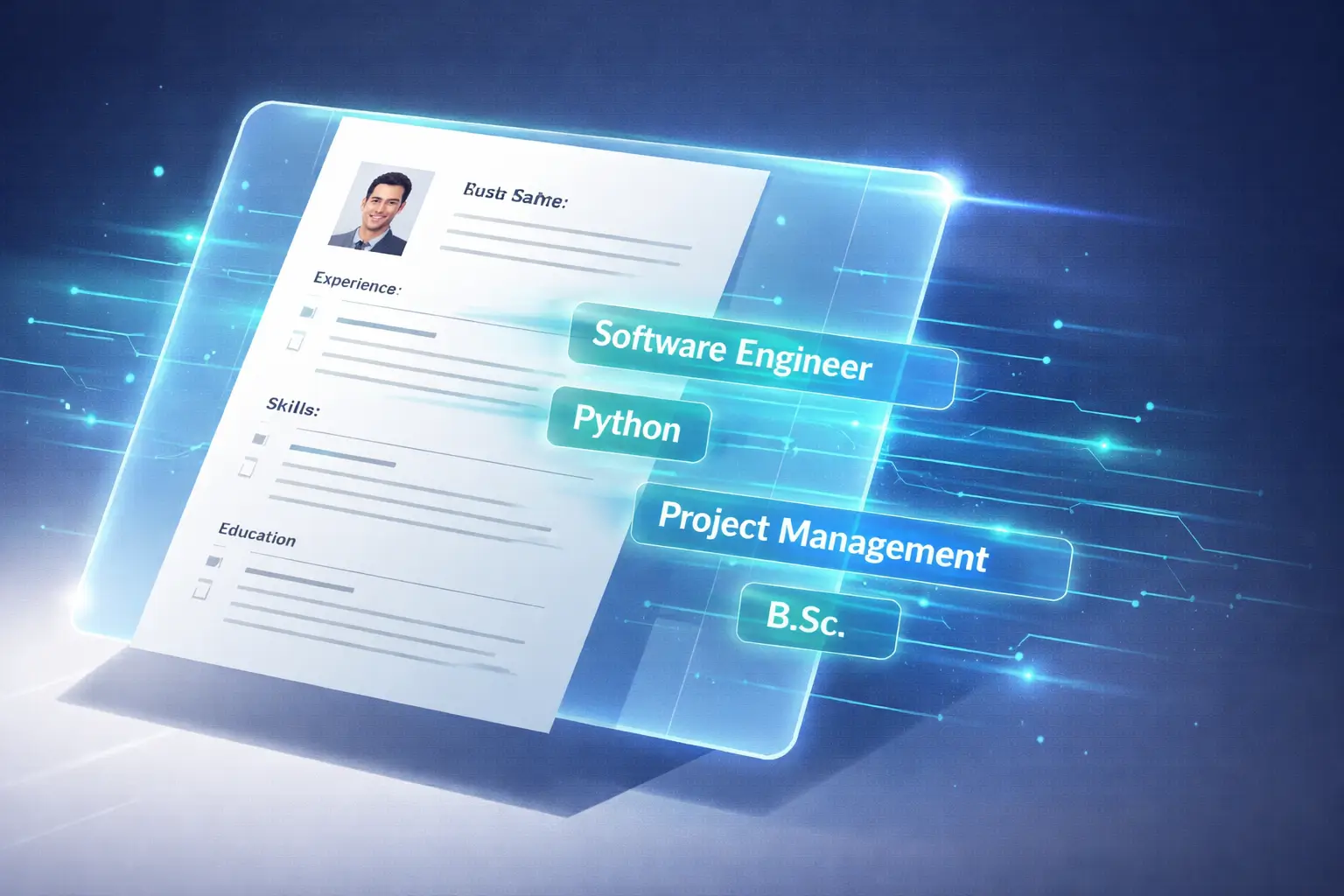
Sending the same generic resume to 50 jobs is one of the slowest ways to job search. An estimated 75% of resumes get filtered out by applicant tracking systems before a human ever sees them. The fix is straightforward: mirror the language from each job description in your resume.
Pull out the key skills, qualifications, and phrases the employer uses, then weave them naturally into your experience and skills sections. Tools like Seekario's AI Resume Tailor can do this in seconds — it analyzes the job posting and adjusts your resume to match, so you're not spending 30 minutes per application doing it manually.
3. Fix Your Resume Before You Send Another Application
If you've submitted more than 20 applications without a single callback, the problem is almost certainly your resume. Recruiters spend an average of 7.4 seconds on an initial resume scan. That means your format, headline, and top third need to do heavy lifting immediately.
Run your resume through an ATS assessment tool to check for formatting issues, missing keywords, and readability problems. One round of fixes can dramatically change your response rate.
4. Tap Into Your Network (Even If It Feels Awkward)
Roughly 85% of jobs are filled through networking, and referred candidates get hired at a 30% rate compared to 7% for cold applicants. Those numbers are hard to ignore.
You don't need to send mass LinkedIn messages begging for a job. Instead, try these approaches:
- Reconnect casually first. Comment on someone's post or send a quick "congrats on the new role" message before asking for anything.
- Be specific about what you want. Instead of "let me know if you hear of anything," say "I'm looking for product marketing roles at mid-stage SaaS companies — do you know anyone at Company X?"
- Offer something in return. Share an article, make an introduction, or offer your own expertise.
Even weak connections — people you met once at a conference or former coworkers you haven't spoken to in years — can open doors.
5. Optimize Your LinkedIn Profile for Inbound Opportunities
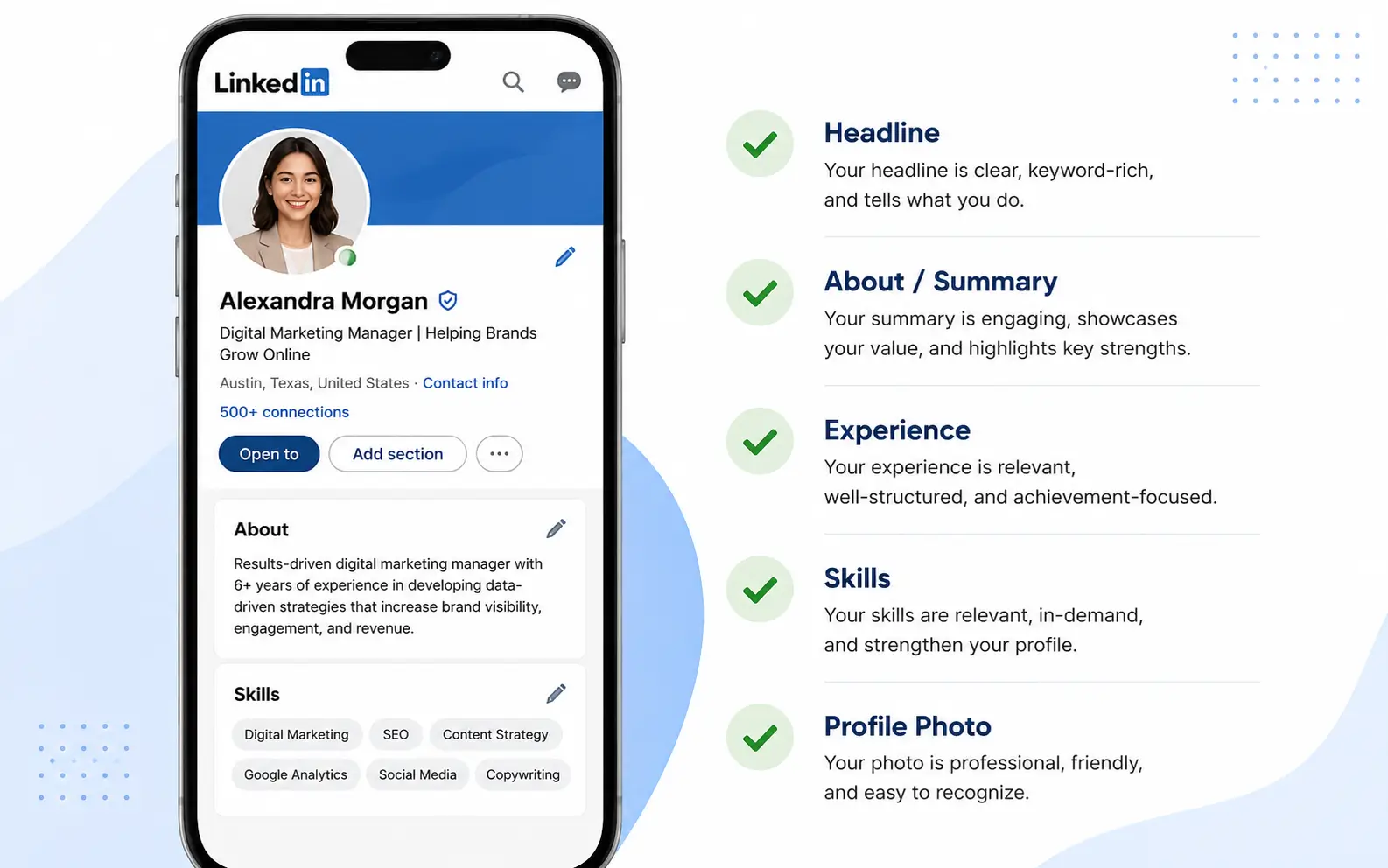
Thirty to fifty percent of hires come through referrals and inbound leads, many triggered by a strong online presence rather than cold outreach. Your LinkedIn profile is often the first thing a recruiter sees, and an optimized one works for you around the clock.
Update your headline to include your target role and a key skill (e.g., "Senior Data Analyst | Python, SQL, Tableau"). Turn on the "Open to Work" feature. Write a summary that reads like a pitch, not a biography. Post a few times a week about your area of expertise to stay visible in feeds.
If you want to fast-track this, Seekario's AI LinkedIn Optimizer can rewrite your profile sections to align with the types of roles you're targeting.
6. Apply to 15–25 Targeted Jobs Per Week
There's a sweet spot between applying to everything and being too picky. Data shows that the path to a job offer typically starts to take shape once candidates cross the 10–20 application mark. If you're past that without traction, it's time to refine your resume or reconsider the types of roles you're targeting.
Aim for 15–25 well-targeted applications per week. "Well-targeted" means you meet at least 70% of the listed qualifications and your resume is tailored to the posting. Blasting out 100 generic applications will burn you out without improving your odds.
7. Use AI Tools to Multiply Your Output
Job seekers who use AI strategically gain a real advantage in speed and alignment. AI can help you identify better-matched roles, tailor your resume and cover letter in seconds, and prepare for interviews with targeted practice questions.
Here's where AI makes the biggest difference:
- Resume tailoring: Match your resume to each job description automatically with Seekario's AI Resume Tailor.
- Cover letters: Generate customized cover letters that reference specific job requirements using Seekario's AI Cover Letter Generator.
- Interview prep: Practice with AI-generated questions based on the actual job you applied for.
- Job tracking: Use a job tracker to manage applications, deadlines, and follow-ups in one place.
The goal isn't to automate your entire search — it's to spend less time on repetitive tasks and more time on high-impact activities like networking and interview prep.
8. Follow Up on Every Application
Most candidates apply and then wait. That's a mistake. A polite follow-up email one week after applying can put your name back in front of the hiring manager. If you can find the recruiter or hiring manager on LinkedIn, a brief message referencing your application and expressing genuine interest can set you apart.
Keep it short: mention the role, highlight one relevant qualification, and ask if there's any additional information you can provide. Don't follow up more than twice — you want to show interest, not desperation.
9. Target Companies, Not Just Job Boards
Job boards show you what's publicly posted. But many roles are filled before they ever make it to Indeed or LinkedIn. Build a target list of 15–25 companies you'd want to work for, then research them directly.
Check their careers page weekly. Follow them on LinkedIn and engage with their content. Identify people in your network who work there. When a role does open up, you'll already have context and potentially a warm connection.
10. Prepare for Interviews Before You Get One
Waiting until you get an interview invite to start preparing is a guaranteed way to underperform. Instead, build your interview skills now.
Review the most common questions for your target role. Practice your answers out loud — not in your head, out loud. Record yourself if possible. Use the STAR method (Situation, Task, Action, Result) for behavioral questions.
Seekario's AI Interview Prep tool generates role-specific questions and gives you feedback on your answers, so you can practice without needing a friend to run mock interviews.
11. Consider Contract, Freelance, or Temp Roles
If speed is your top priority, contract and freelance work can get you earning faster while keeping your search going. Many contract roles convert to full-time positions, and they fill your resume gap in the meantime.
Platforms like Upwork, Toptal, and Robert Half specialize in contract placements. Staffing agencies in particular can match you with roles within days, not weeks. Don't dismiss these as "lesser" opportunities — they're a legitimate and strategic part of a fast job search.
12. Focus on High-Growth Industries
Not all sectors are hiring at the same pace. In 2026, several industries are seeing outsized growth:
- Healthcare: Consistent opportunities across all skill levels, driven by an aging population and expanded telehealth.
- AI and technology: AI-related roles are growing at 25% year-over-year, and the demand spans far beyond engineering into operations, marketing, and product.
- Transportation and logistics: Projected 17% growth through 2034, fueled by e-commerce and supply chain modernization.
- Cybersecurity: With increasing digital threats, security roles remain in high demand across every industry.
If your skills are transferable, pivoting toward one of these sectors can significantly shorten your search.
13. Clean Up Your Online Presence
Recruiters will Google you. In fact, most do before they even schedule a phone screen. Make sure what they find helps your case, not hurts it.
Google yourself and review the first two pages of results. Update or remove old social media posts that could raise eyebrows. Make sure your LinkedIn photo is professional and your profile is consistent with your resume. If you have a personal website or portfolio, make sure it's current and functional.
14. Negotiate Strategically to Avoid Starting Over
One of the biggest time-wasters in a fast job search is getting to the offer stage and then having the deal fall apart over compensation. Do your salary research early. Know your target range, your walk-away number, and what non-salary benefits matter to you.
When you get an offer, respond with enthusiasm first, then negotiate from a position of knowledge. Cite market data, not personal needs. This approach keeps the conversation productive and avoids drawn-out back-and-forth that can delay your start date.
15. Track Everything and Iterate Weekly
A disorganized job search feels slow because it is slow. You end up re-reading job descriptions you've already seen, forgetting to follow up, and losing track of where you stand with each company.
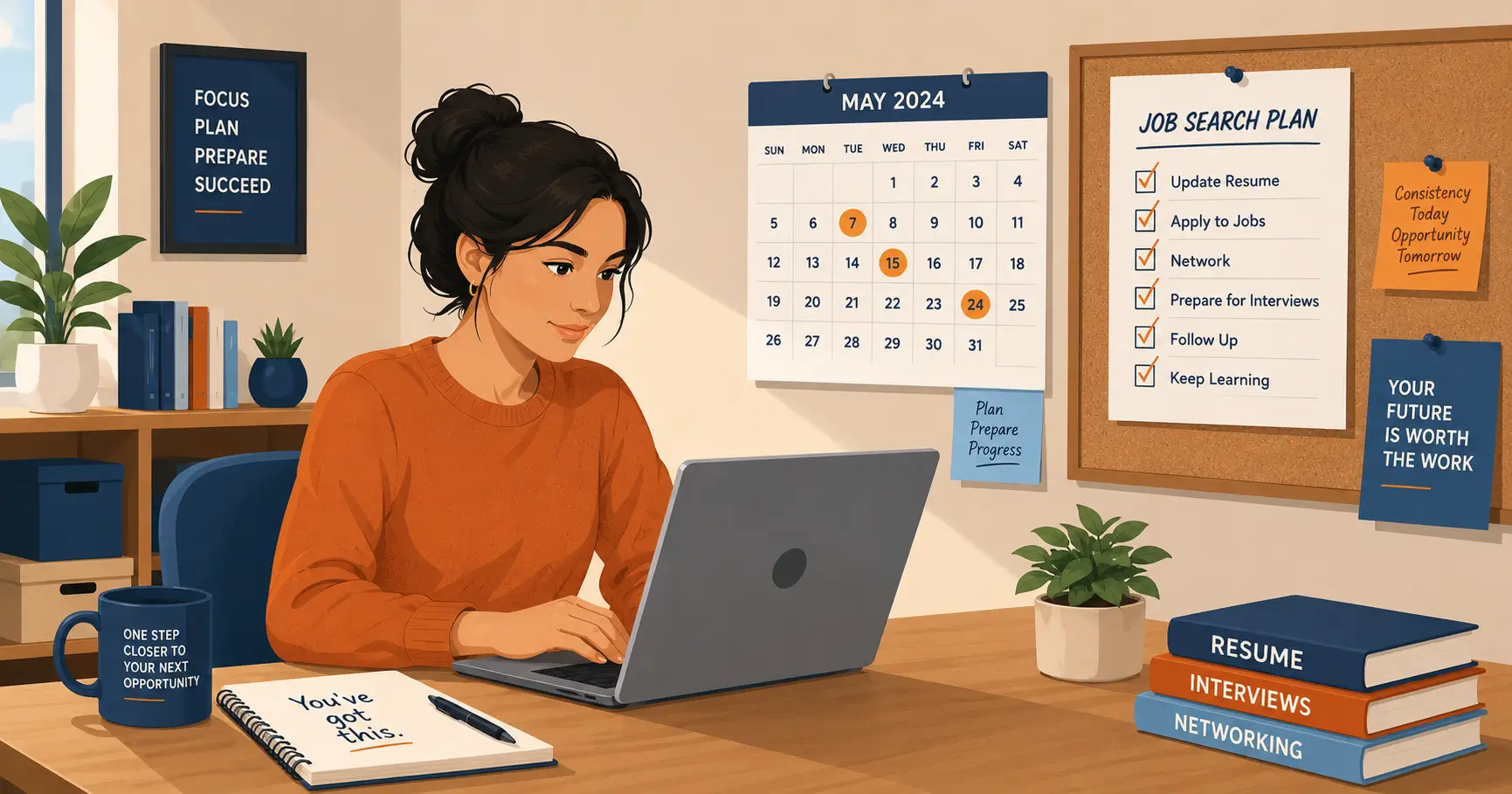
Use a job application tracker to log every application, note the status, and set follow-up reminders. At the end of each week, review your numbers: How many applications did you send? How many callbacks did you get? What's your response rate? If something isn't working, change it. If something is working, double down.
FAQ
How long does it typically take to find a job in 2026?
The average job search in 2026 takes about 15–24 weeks, depending on the industry and role level. However, about 35% of job seekers find employment in under five weeks by using targeted strategies like networking, resume optimization, and early applications.
How many job applications should I send per day?
Quality beats quantity. Aim for 3–5 well-tailored applications per day, or 15–25 per week. Each application should have a resume customized to the job description. Sending hundreds of generic resumes typically produces worse results than a smaller number of targeted ones.
Is networking really more effective than applying online?
Yes. Data consistently shows that roughly 85% of jobs are filled through networking, and referred candidates are hired at a rate of about 30% compared to 7% for non-referred applicants. Even a brief LinkedIn message to a mutual connection at the company can make a significant difference.
Should I use AI tools for my job search?
AI tools can save hours of manual work by tailoring your resume, generating cover letters, and helping you prepare for interviews. The key is using them as an accelerator, not a replacement for personal effort. Platforms like Seekario combine AI resume tailoring, cover letter generation, and interview prep in one place.
What's the fastest way to get hired right now?
The fastest path combines three things: applying to new postings within 24–48 hours, activating your network for referrals, and keeping your resume ATS-optimized for every application. Contract and staffing agencies can also place you in roles within days if you need income immediately.
Land Your Next Job Faster With the Right Tools
A fast job search isn't about cutting corners — it's about being strategic with your time and energy. Every hour you spend tailoring a resume, following up on an application, or practicing for an interview compounds into real results.
If you want to speed up the process even further, Seekario brings AI-powered resume tailoring, cover letter generation, interview prep, and job tracking into one platform. Instead of juggling five different tools and tabs, you can manage your entire search from a single dashboard — and spend more time on the activities that actually get you hired.