Top 500 Resume Keywords by Industry (2026 Edition)

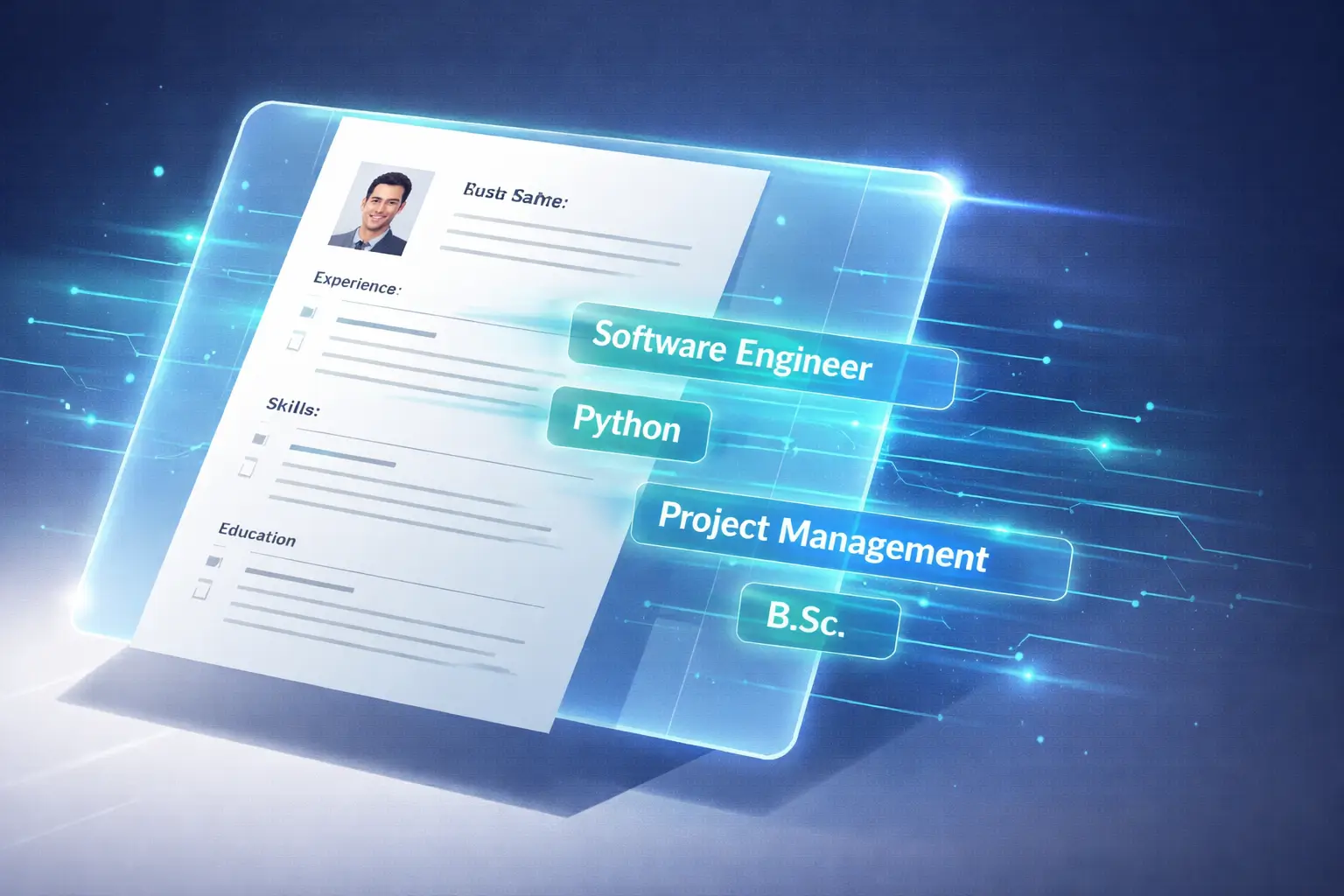
Your resume might be perfect — great formatting, strong bullet points, real accomplishments — and still never reach a human recruiter. The reason? Missing keywords.
Applicant tracking systems (ATS) filter roughly 75% of resumes before a hiring manager ever sees them. These systems scan for specific resume keywords by industry, job function, and seniority level. If your resume doesn't include the right terms, you're invisible.
This guide gives you over 500 ATS-ready keywords organized by industry so you can match what recruiters and their software are actually searching for. No guesswork. No filler. Just the terms that get your resume past the filter and into the "yes" pile.
Why Resume Keywords Matter More Than Ever in 2026
ATS technology has gotten smarter, but the core principle hasn't changed: your resume needs to speak the same language as the job posting. In 2026, 99% of Fortune 500 companies and the majority of mid-sized employers use some form of applicant tracking system.
Here's what's shifted. Modern ATS platforms don't just scan for exact word matches — they also evaluate context. Dropping "Python" into your skills section isn't enough if the role calls for "Python data pipeline development" and your resume only mentions "Python scripting." Specificity matters.
That said, keywords remain the entry ticket. Without them, the context evaluation never even starts.
Three things to know about ATS keywords in 2026:
- Exact matches still carry the most weight. If a job posting says "project management," use that exact phrase — not just "managed projects."
- Both hard skills and soft skills get scanned. Technical terms matter, but so do phrases like "cross-functional collaboration" or "stakeholder management."
- Keyword stuffing backfires. Modern ATS tools penalize resumes that cram terms without context. Each keyword should appear within a real accomplishment or responsibility.
The sweet spot? Aim for 15–25 targeted keywords per resume, drawn directly from the job description and supplemented with standard industry terms.
How to Find the Right Keywords for Any Job
Before diving into the industry lists below, here's the process for identifying which keywords belong on *your* resume.
Pull Keywords From the Job Description
Read the posting line by line. Highlight every skill, tool, certification, and qualification mentioned — especially anything listed under "required" or "preferred." If a term appears more than once, it's high priority.
Check Multiple Postings for the Same Role
Don't rely on a single job listing. Open three to five similar postings and look for overlapping terms. Those recurring words represent the baseline vocabulary for that role.
Use an AI Resume Tailor
Manually comparing your resume against every job description takes time. Tools like Seekario's AI Resume Tailor automate this by analyzing the job posting, identifying missing keywords, and suggesting where to add them — all without making your resume sound robotic.
Include Both Acronyms and Full Terms
ATS systems vary in how they parse abbreviations. Write "Search Engine Optimization (SEO)" at least once, then use "SEO" afterward. Same goes for "CPA (Certified Public Accountant)," "AWS (Amazon Web Services)," and similar terms.
Place Keywords Strategically
The highest-impact locations for keywords are:
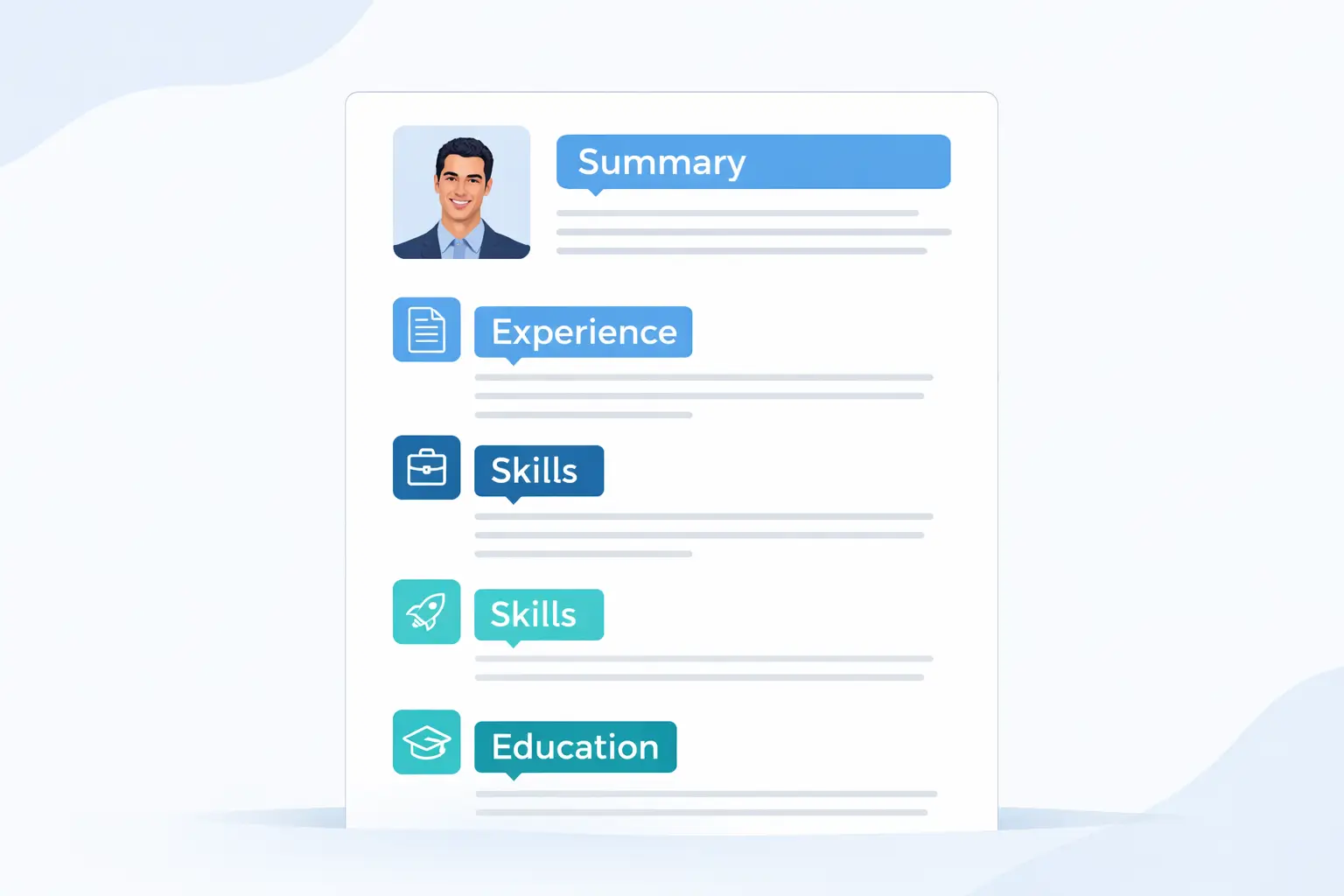
- Professional summary — front-load your top 3–5 keywords here.
- Work experience bullet points — weave keywords into accomplishment statements.
- Skills section — list hard skills and tools directly.
- Education and certifications — include credential names exactly as recognized.
Technology & Software Engineering Keywords
Tech hiring relies heavily on ATS filtering because of the sheer volume of applicants. Here are the keywords that matter most across software engineering, data, IT, and cybersecurity roles.
Programming Languages & Frameworks
Python, JavaScript, TypeScript, Java, C++, C#, Go, Rust, Ruby, PHP, Swift, Kotlin, Scala, R, SQL, HTML, CSS, Bash, PowerShell, React, Angular, Vue.js, Node.js, Django, Flask, Spring Boot, .NET, Next.js, Express.js, TensorFlow, PyTorch
Cloud & Infrastructure
Amazon Web Services (AWS), Microsoft Azure, Google Cloud Platform (GCP), Docker, Kubernetes, Terraform, Jenkins, CI/CD, Infrastructure as Code, Microservices, Serverless Architecture, CloudFormation, Ansible, Linux Administration, Nginx, Apache
Data & Analytics
Data Analysis, Data Engineering, Data Pipeline, ETL, Machine Learning, Deep Learning, Natural Language Processing, Computer Vision, Big Data, Apache Spark, Hadoop, Snowflake, Databricks, Tableau, Power BI, Data Visualization, A/B Testing, Statistical Modeling, Predictive Analytics
Cybersecurity
Information Security, Network Security, Vulnerability Assessment, Penetration Testing, SIEM, SOC, Incident Response, Threat Intelligence, Zero Trust Architecture, Identity and Access Management (IAM), Encryption, Firewall Configuration, Compliance (SOC 2, ISO 27001), Risk Assessment
General Tech Skills
Agile Methodology, Scrum, Kanban, DevOps, Git, GitHub, Jira, Confluence, API Development, RESTful APIs, GraphQL, System Design, Technical Documentation, Code Review, Test-Driven Development, Unit Testing, Performance Optimization, Scalability
Healthcare & Medical Keywords
Healthcare resumes need clinical accuracy and regulatory compliance terms. Missing a single certification keyword can get you filtered out instantly.
Clinical & Patient Care
Patient Care, Patient Assessment, Vital Signs Monitoring, Medication Administration, IV Therapy, Wound Care, Infection Control, Care Coordination, Treatment Planning, Discharge Planning, Patient Education, Pain Management, Chronic Disease Management, Telehealth, Triage, BLS, ACLS, PALS
Medical Specialties
Emergency Medicine, Critical Care, Pediatrics, Oncology, Cardiology, Orthopedics, Neurology, Obstetrics, Psychiatry, Geriatrics, Surgical Assisting, Anesthesia, Radiology, Pathology, Dermatology, Endocrinology, Gastroenterology, Pulmonology
Healthcare Administration & Compliance
HIPAA Compliance, Electronic Health Records (EHR), Epic, Cerner, Medical Billing, Medical Coding, ICD-10, CPT Codes, Revenue Cycle Management, Quality Improvement, Patient Satisfaction, Joint Commission Standards, Medicare, Medicaid, Health Information Management, Clinical Documentation Improvement, Population Health Management
Healthcare Technology
Health Informatics, Clinical Decision Support, Telemedicine Platform, Remote Patient Monitoring, Wearable Health Tech, AI-Assisted Diagnostics, Interoperability, HL7, FHIR, Medical Device Integration, Digital Health
Finance & Accounting Keywords
Finance roles demand precision in technical terminology. Recruiters and ATS systems look for specific certifications, tools, and regulatory knowledge.
Financial Analysis & Modeling
Financial Analysis, Financial Modeling, Forecasting, Budgeting, Variance Analysis, Cash Flow Management, P&L Management, Balance Sheet Analysis, Revenue Recognition, Capital Allocation, ROI Analysis, NPV, IRR, Discounted Cash Flow (DCF), Sensitivity Analysis, Scenario Planning
Accounting & Compliance
GAAP, IFRS, SOX Compliance, Internal Controls, Audit, Tax Planning, Tax Compliance, Accounts Payable, Accounts Receivable, General Ledger, Journal Entries, Month-End Close, Year-End Close, Reconciliation, Financial Reporting, Regulatory Compliance, Anti-Money Laundering (AML), Know Your Customer (KYC)
Banking & Investment
Portfolio Management, Asset Management, Wealth Management, Risk Management, Credit Analysis, Underwriting, Mergers and Acquisitions (M&A), Due Diligence, Valuation, Equity Research, Fixed Income, Derivatives, Securities, Bloomberg Terminal, Capital Markets, Investment Banking, Private Equity, Venture Capital
Finance Tools & Certifications
Excel (Advanced), VBA, SQL, Python for Finance, SAP, Oracle, QuickBooks, NetSuite, Workday, Hyperion, Adaptive Insights, CPA, CFA, CMA, FRM, CAIA, Series 7, Series 63
Marketing & Digital Marketing Keywords
Marketing has split into increasingly specialized disciplines. Your keywords need to match the specific marketing function you're targeting.
Digital Marketing & SEO
Search Engine Optimization (SEO), Search Engine Marketing (SEM), Pay-Per-Click (PPC), Google Ads, Meta Ads, Google Analytics, GA4, Google Search Console, Keyword Research, On-Page SEO, Technical SEO, Link Building, Content Strategy, Conversion Rate Optimization (CRO), Landing Page Optimization, Marketing Automation
Social Media & Content
Social Media Marketing, Content Marketing, Content Calendar, Editorial Planning, Copywriting, Brand Voice, Community Management, Influencer Marketing, User-Generated Content, Social Listening, TikTok Marketing, Instagram Strategy, LinkedIn Marketing, Video Marketing, Podcast Production, Email Marketing, Newsletter Management
Marketing Analytics & Tools
Marketing Analytics, Attribution Modeling, Customer Segmentation, Customer Lifetime Value (CLV), Funnel Analysis, HubSpot, Salesforce Marketing Cloud, Marketo, Mailchimp, Hootsuite, Sprout Social, SEMrush, Ahrefs, Moz, Canva, Adobe Creative Suite, WordPress, Shopify
Brand & Product Marketing
Brand Strategy, Brand Positioning, Market Research, Competitive Analysis, Go-to-Market Strategy, Product Launch, Product Marketing, Demand Generation, Lead Generation, Account-Based Marketing (ABM), B2B Marketing, B2C Marketing, Partnership Marketing, Event Marketing, Public Relations, Press Releases
Sales & Business Development Keywords
Sales resumes live and die by metrics. Pair these keywords with quantified achievements for maximum ATS impact.
Sales Skills & Methodology
Consultative Selling, Solution Selling, SPIN Selling, Challenger Sale, MEDDIC, Sandler Method, Cold Calling, Cold Emailing, Prospecting, Lead Qualification, Pipeline Management, Quota Attainment, Revenue Growth, Upselling, Cross-Selling, Account Management, Territory Management, Contract Negotiation, Closing Techniques
Sales Tools & Platforms
Salesforce, HubSpot CRM, Pipedrive, Outreach, SalesLoft, Gong, Chorus, LinkedIn Sales Navigator, ZoomInfo, Apollo, Clari, Forecasting Tools, Sales Enablement, CRM Administration
Business Development
Strategic Partnerships, Channel Sales, Partner Ecosystem, Alliance Management, Market Expansion, New Business Development, Client Acquisition, Relationship Building, Stakeholder Engagement, RFP Response, Proposal Writing, Enterprise Sales, SaaS Sales, Subscription Revenue
Human Resources & People Operations Keywords
HR has transformed into a data-driven, strategic function. Your resume should reflect both the people side and the analytical side.
Talent Acquisition & Recruiting
Full-Cycle Recruiting, Talent Acquisition, Sourcing, Candidate Screening, Interviewing, Applicant Tracking System, Employer Branding, Diversity Hiring, Campus Recruiting, Executive Search, Offer Negotiation, Onboarding, Recruitment Marketing, Job Description Writing, Hiring Manager Partnership
HR Operations & Compliance
Employee Relations, Performance Management, Compensation and Benefits, Total Rewards, HRIS, Workday, BambooHR, ADP, Payroll Processing, Benefits Administration, Leave Management, Labor Law Compliance, FMLA, ADA, EEO, OSHA, Employee Handbook, Policy Development, Workplace Investigation
Learning & Organizational Development
Learning and Development (L&D), Training Program Design, Leadership Development, Succession Planning, Organizational Design, Change Management, Employee Engagement, Culture Building, DEI Initiatives, Coaching, Mentoring, Performance Coaching, 360 Feedback, Competency Modeling, Talent Management
Project & Operations Management Keywords
These keywords span industries and signal your ability to drive execution and efficiency.
Project Management
Project Management, Program Management, Portfolio Management, Agile, Scrum, Waterfall, Kanban, PMP, PRINCE2, Certified Scrum Master (CSM), Stakeholder Management, Risk Mitigation, Resource Allocation, Timeline Management, Budget Management, Scope Management, Sprint Planning, Retrospectives, Project Charter, Work Breakdown Structure
Operations & Process Improvement
Operations Management, Process Improvement, Lean, Six Sigma, Kaizen, Root Cause Analysis, Standard Operating Procedures (SOPs), Workflow Optimization, Supply Chain Management, Logistics, Inventory Management, Procurement, Vendor Management, Quality Assurance, Quality Control, KPI Tracking, OKRs, Business Process Reengineering
Education & Training Keywords
Education roles require a blend of instructional expertise and modern technology skills.
Teaching & Instruction
Curriculum Development, Lesson Planning, Differentiated Instruction, Classroom Management, Student Assessment, Formative Assessment, Summative Assessment, IEP Development, Special Education, STEM Education, Project-Based Learning, Blended Learning, Flipped Classroom, Culturally Responsive Teaching, Student Engagement
Educational Technology
Learning Management System (LMS), Canvas, Blackboard, Moodle, Google Classroom, Instructional Design, E-Learning Development, Articulate Storyline, Adobe Captivate, SCORM, xAPI, Virtual Classroom, Gamification, Adaptive Learning, EdTech Integration
Legal Industry Keywords
Legal resumes demand precision with practice area terminology and compliance frameworks.
Legal Practice
Legal Research, Legal Writing, Contract Drafting, Contract Review, Litigation, Discovery, E-Discovery, Deposition, Trial Preparation, Mediation, Arbitration, Regulatory Compliance, Corporate Governance, Intellectual Property, Patent Law, Trademark, Copyright, Employment Law, Real Estate Law, Mergers and Acquisitions
Legal Tools & Skills
Westlaw, LexisNexis, Clio, Case Management, Document Review, Legal Hold, Privilege Review, Redlining, Due Diligence, Client Counseling, Negotiation, Brief Writing, Motion Practice, Court Filings, Pro Bono, Billable Hours, Matter Management
Engineering & Manufacturing Keywords
Mechanical & Manufacturing
CAD, SolidWorks, AutoCAD, CATIA, Finite Element Analysis (FEA), Computational Fluid Dynamics (CFD), GD&T, CNC Machining, Injection Molding, 3D Printing, Additive Manufacturing, Quality Engineering, Failure Mode Effects Analysis (FMEA), Design for Manufacturing (DFM), Lean Manufacturing, ISO 9001, Root Cause Analysis, Bill of Materials (BOM), Product Lifecycle Management (PLM)
Civil & Environmental
Structural Analysis, Geotechnical Engineering, Environmental Impact Assessment, LEED Certification, Stormwater Management, Building Codes, AutoCAD Civil 3D, Revit, GIS, Land Surveying, Construction Management, OSHA Compliance, Permitting, Site Planning, Transportation Engineering
Electrical & Electronics
Circuit Design, PCB Layout, Embedded Systems, FPGA, VHDL, Verilog, Signal Processing, Power Electronics, Control Systems, PLC Programming, SCADA, Instrumentation, Calibration, Electrical Safety, NEC Compliance
Universal Keywords That Work Across All Industries
Some keywords signal competency regardless of your field. Sprinkle these throughout your resume where they genuinely apply.
Leadership & Management
Team Leadership, Cross-Functional Collaboration, Strategic Planning, Decision Making, Problem Solving, Conflict Resolution, Mentoring, Coaching, Change Management, Executive Communication, Board Presentations, P&L Responsibility, Revenue Growth, Cost Reduction, Headcount Management
Communication & Soft Skills
Written Communication, Verbal Communication, Presentation Skills, Public Speaking, Negotiation, Client Relations, Customer Service, Active Listening, Critical Thinking, Analytical Thinking, Time Management, Organizational Skills, Adaptability, Attention to Detail
Technical Proficiency (General)
Microsoft Office Suite, Google Workspace, Slack, Microsoft Teams, Zoom, Asana, Monday.com, Trello, Notion, Data Analysis, Reporting, Dashboard Creation, Process Documentation, Standard Operating Procedures
How to Use This Keywords List Effectively
Having a massive keyword list is only useful if you apply it correctly. Here's the step-by-step approach that actually works.
Step 1: Start with the job description. Always. Your primary keywords come from the specific posting you're applying to — not from a generic list.
Step 2: Fill gaps with industry-standard terms. Use the lists above to identify relevant keywords you might have missed. If the job description mentions "data analysis" and you also have experience with "data visualization" and "statistical modeling," add those too.
Step 3: Run an ATS check. Before submitting, use Seekario's AI Resume Scanner to score your resume against the job description. This tells you exactly which keywords you're missing and where to add them.
Step 4: Keep it honest. Only include keywords for skills you actually possess. Getting past the ATS with inflated keywords just leads to an awkward interview and a quick rejection.
Step 5: Update for every application. A single resume doesn't work anymore. Each application needs a tailored version with keywords matched to that specific posting. Seekario's AI Resume Tailor makes this fast — upload your base resume and the job description, and get a keyword-optimized version in seconds.
FAQ
How many keywords should I include on my resume?
Aim for 15–25 targeted keywords per resume. This range demonstrates real expertise without triggering keyword-stuffing filters in modern ATS platforms. Focus on quality over quantity — each keyword should appear within a genuine accomplishment or responsibility statement.
Should I put keywords in a separate skills section or in my work experience?
Both. Your skills section gives ATS a clean list to scan, while keywords woven into your work experience bullets provide the context that modern ATS tools evaluate. The combination signals both that you possess the skill and that you've applied it in professional settings.
Can I use the same keywords for every job application?
You shouldn't. While some industry-standard terms carry over, every job posting emphasizes different priorities. A software engineering role at a startup might prioritize "full-stack development" and "rapid prototyping," while the same title at an enterprise company might focus on "system architecture" and "scalability." Tailor your keywords to each posting for the best results.
What's the difference between hard-skill and soft-skill keywords?
Hard-skill keywords are technical, measurable abilities — programming languages, certifications, tools, and methodologies. Soft-skill keywords describe how you work — leadership, communication, collaboration, problem-solving. ATS systems scan for both types, but hard skills typically carry more weight in initial filtering because they're easier for software to verify objectively.
How do I know if my resume has enough keywords to pass an ATS?
The most reliable method is to compare your resume directly against the job description. Look for a keyword match rate of 70–80% on the required qualifications. Tools like Seekario's AI Resume Scanner automate this comparison and give you a specific match score along with recommendations for improvement.
Get Your Keywords Right — Automatically
Building a keyword-optimized resume for every application is the single most effective thing you can do to increase your interview rate. But doing it manually for dozens of applications? That's a full-time job on top of your job search.
Seekario's AI Resume Tailor reads the job description, identifies the keywords that matter, and adjusts your resume to match — all while keeping your voice and your real experience intact. No keyword stuffing. No generic templates. Just a resume that speaks the language recruiters and their ATS are looking for.
Try it free and see how your resume scores against your next target role.


